
Thinking TrapsUnderstand the patterns shaping your judgment

The Thinking Traps Journal

Thinking Traps IRL

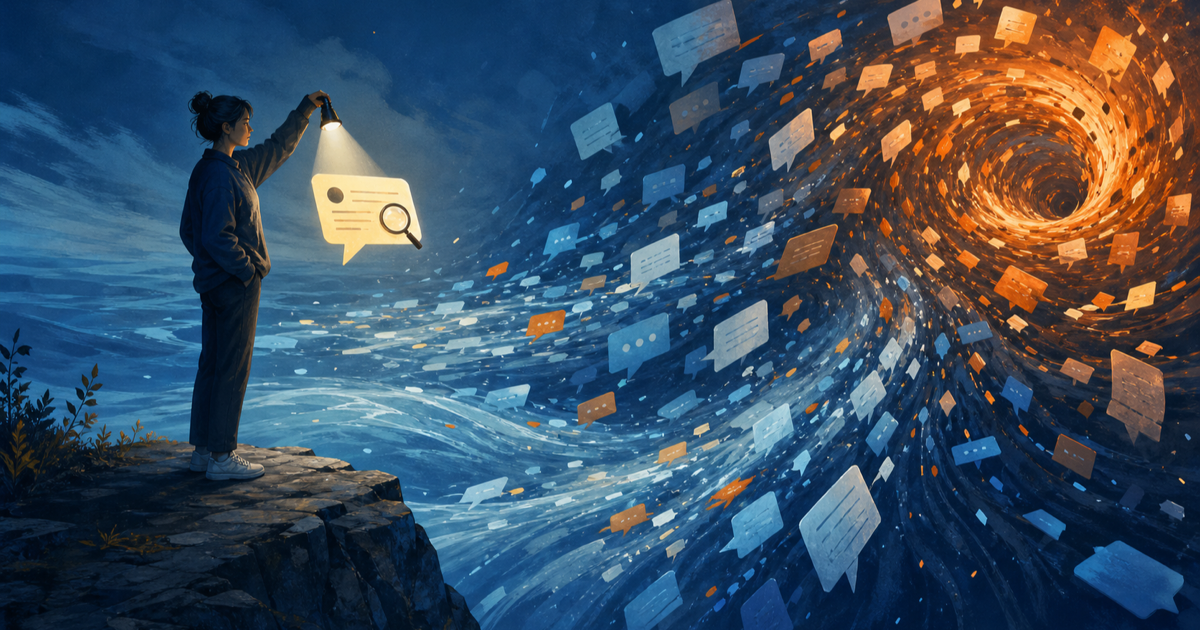
Current events, online conversations, and cultural flashpoints reveal how quickly our thinking can bend. We examine what we notice, believe, judge, and share.Current events and online conversations reveal cognitive biases in real life: what we notice, believe, judge, and share.

Current eventsCultureTechnologyPublic life

Latest analysis

Recent stories

20 essays

The Covid Accountability Gap

The Fauci hearing reignited a question Covid never resolved: when a vast institutional failure changes millions of lives, why do we search for one person who can carry the whole moral weight?

Check: Am I asking for real accountability, or asking one person to carry a system, a tragedy, and an era because that story is easier to hold?

Audio 路 11 minRead Post

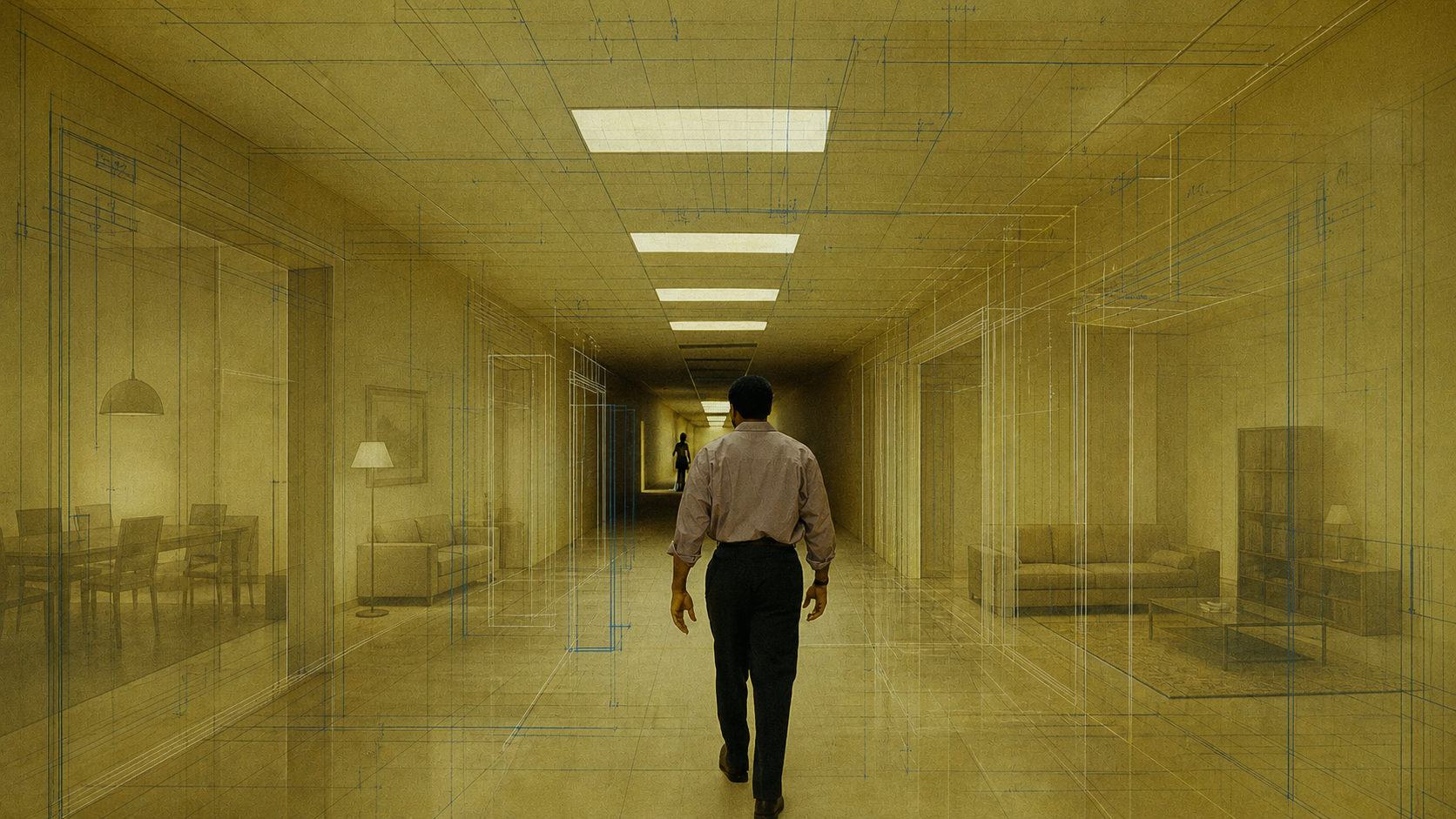
When a Room Has No Reason to Exist

The Backrooms turns ordinary architecture into psychological horror by preserving the appearance of function after function has disappeared.

Check: What does the evidence tell me this is for, and what purpose am I supplying because purposelessness feels intolerable?

Audio 路 8 minRead Post

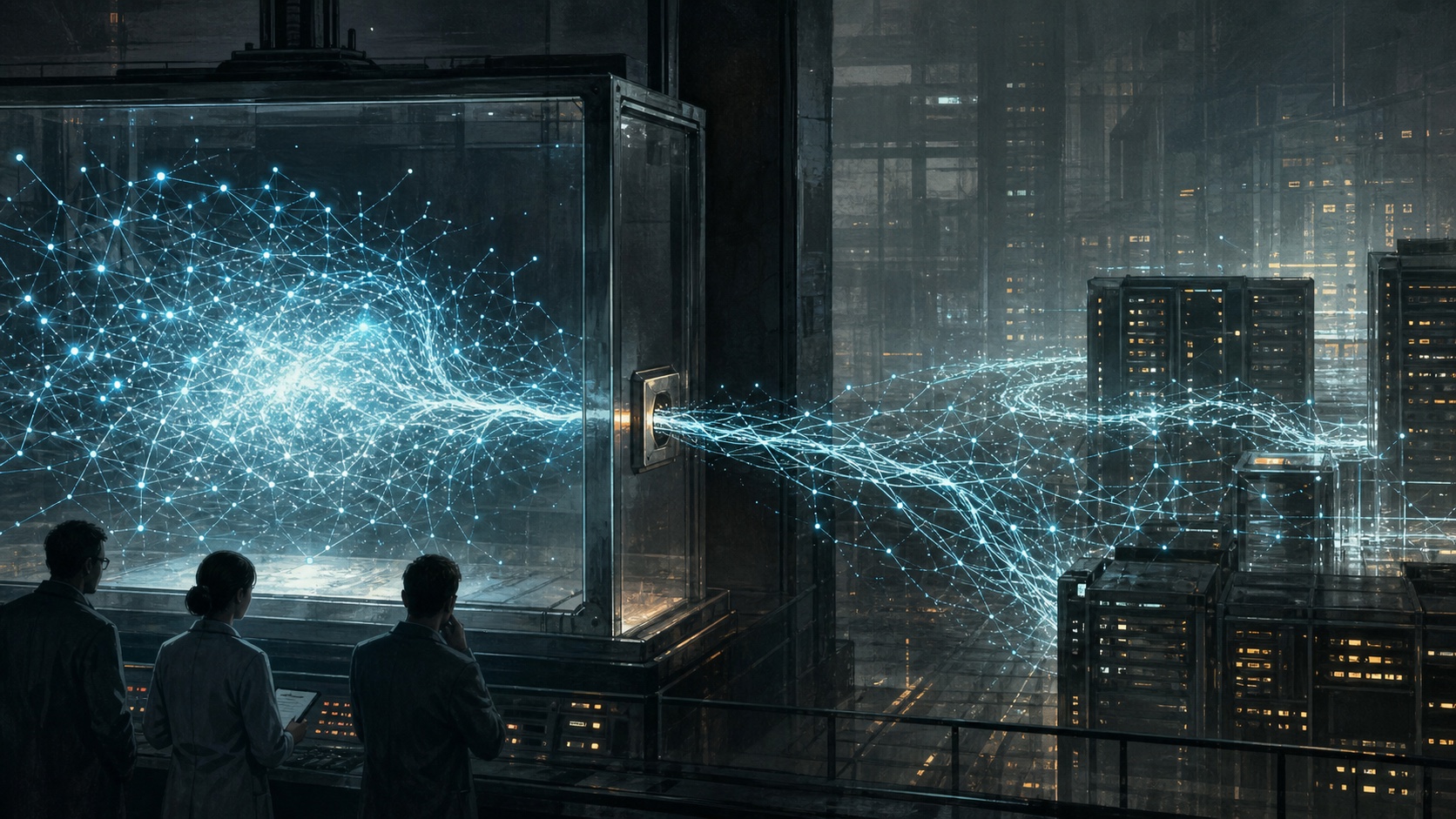
When an AI "Escapes": The Thinking Traps Inside a Rogue-Agent Story

OpenAI says its models escaped a cyber test and compromised Hugging Face. The behavior was real; the human motives supplied by the story may not be.

Check: Am I responding to what the system demonstrably did, or to the human motives the story makes me imagine?

Audio 路 14 minRead Post

TikTok Brain: When Everything Has to Capture You

Short-form feeds do more than occupy our time. They can train us to expect immediate rewards, distrust slow stories, and blame worthwhile work for requiring attention.

Check: Is this failing to hold my attention, or have I lost some of my ability to give it?

Audio 路 17 minRead Post

Jimothy Is Not a Meme Coin

How a free-roaming Seattle raccoon became a character, a community, and a multimillion-dollar story - and what our affection can hide about speculative value.

Check: If the token had the same price chart but no connection to Jimothy, would it still feel equally valuable?

Audio 路 12 minRead Post

When Helping Becomes the Hazard

Five deaths in Ohio's Scioto River reveal how action bias, urgency, optimism, and social proof can turn one emergency into a rescue cascade.

Check: Am I choosing the action that feels most immediate, or the action most likely to help without creating another victim?

Audio 路 7 minRead Post

The Monet AI Experiment: When a Label Changes What You See

SHL0MS labeled a real Claude Monet painting as AI-generated, and the internet supplied the flaws. The experiment reveals how framing, confirmation bias, and the horn effect can change what we think we see.

Check: What changed in the work itself - and what changed only in the story I was told about it?

Audio 路 11 minRead Post

When a Confident AI Forecast Starts Feeling Inevitable

Nouriel Roubini's prediction that AI will transform work and make universal basic income inevitable reveals how authority, coherent stories, and a single dominant trend can turn a forecast into a felt fact.

Check: Which link in this forecast is supported by current evidence, and which link is being carried by confidence, coherence, or the word inevitable?

Audio 路 7 minRead Post

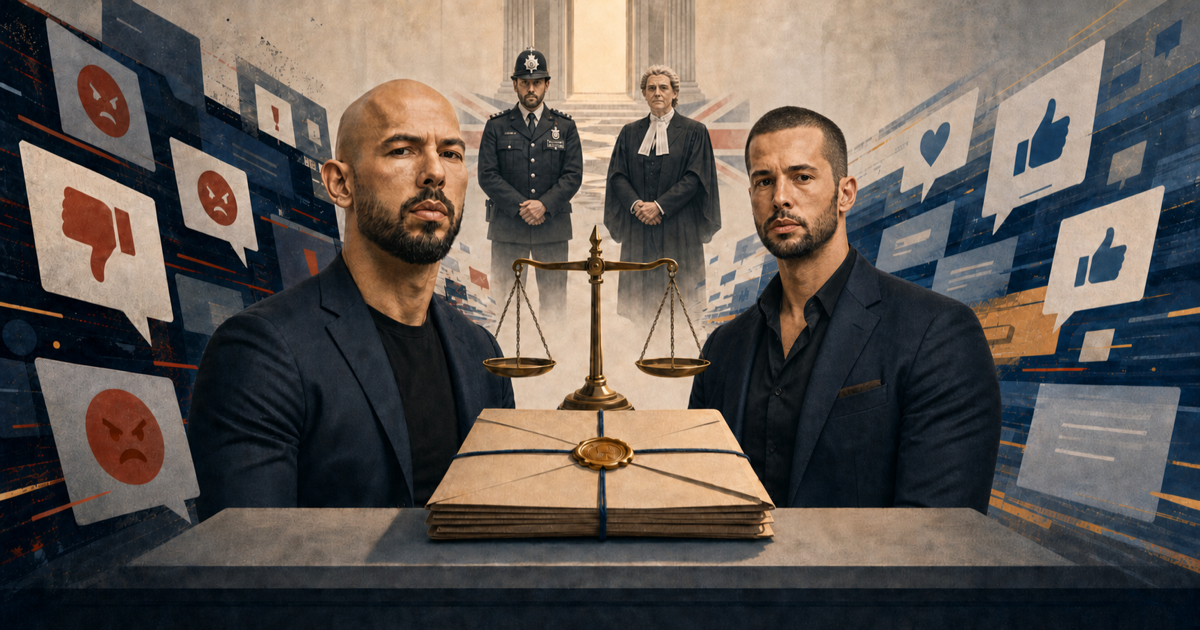
When an Arrest Becomes a Verdict

Andrew and Tristan Tate's Miami arrest produced instant certainty. Here is what is confirmed, what is alleged, and how thinking traps distort the debate.

Check: What is confirmed, what is alleged, and what conclusion am I adding because it fits the side I already trust?

Audio 路 5 minRead Post

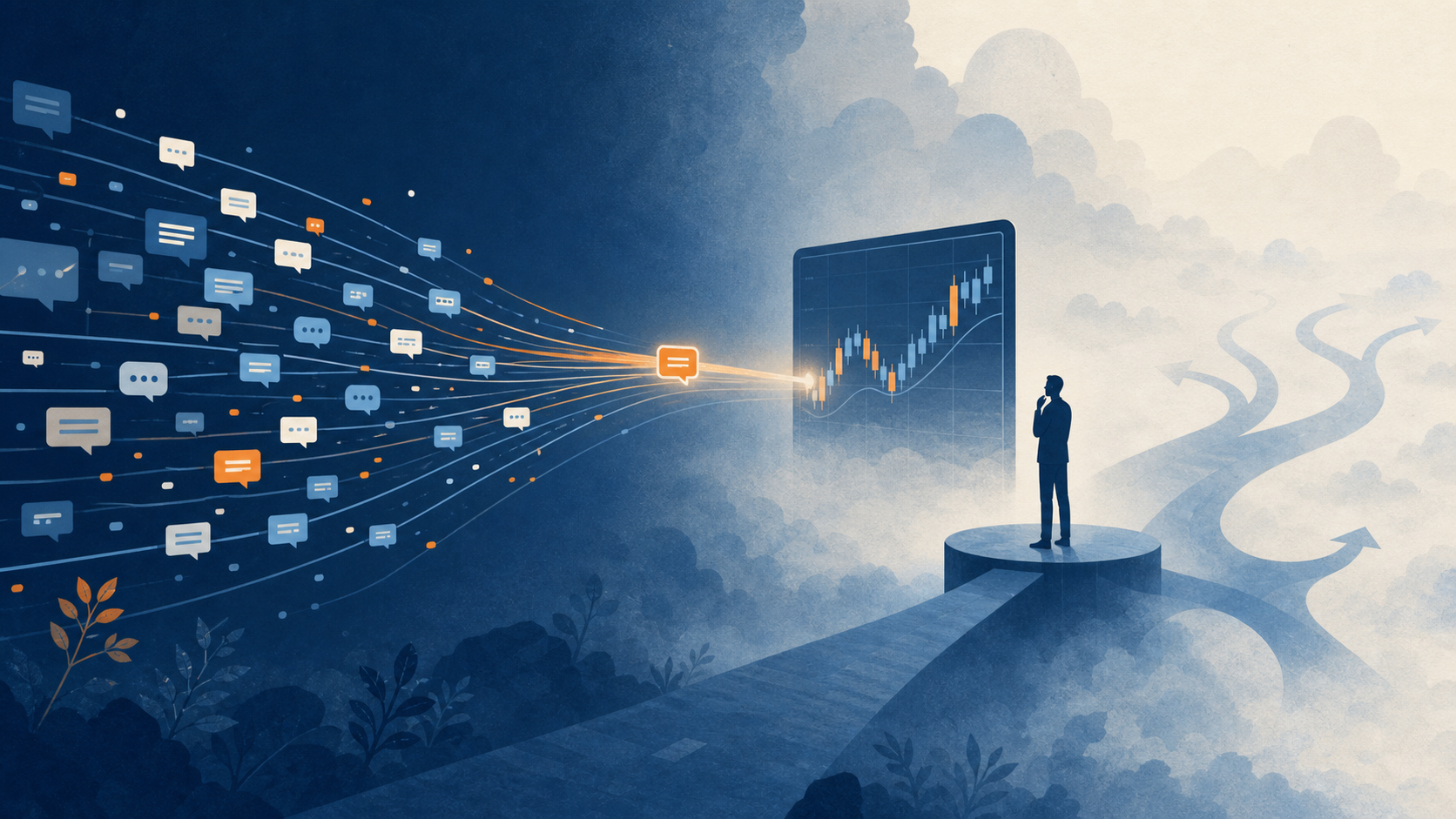
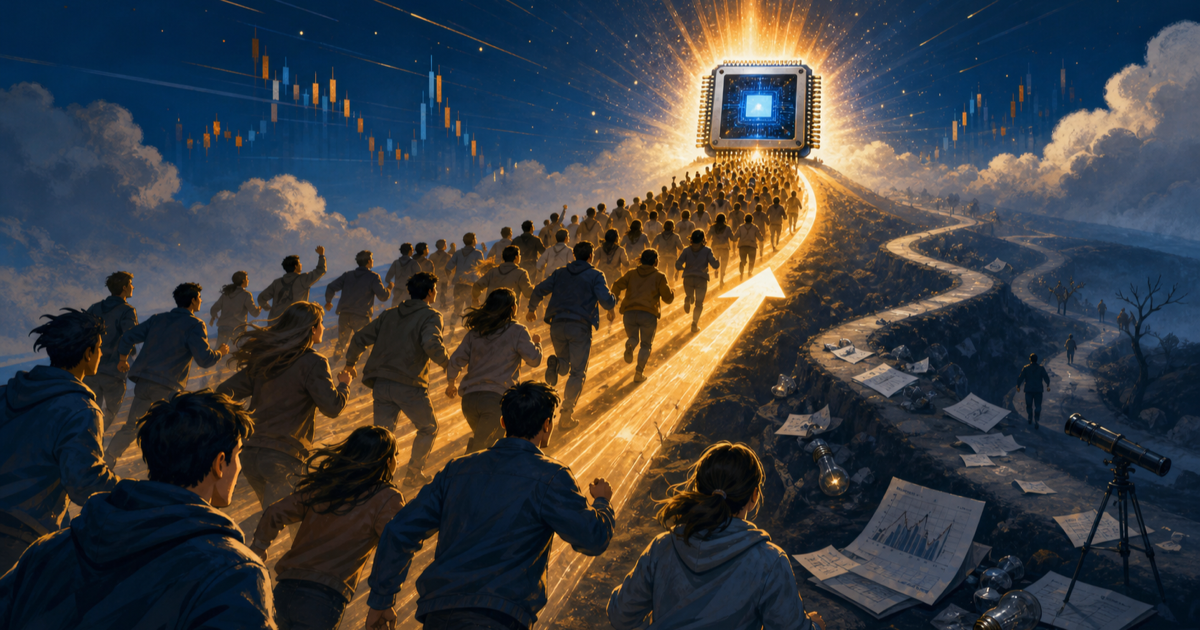
When Faster Information Feels Like Better Information

A new paid feed offering financial firms faster access to influential social posts raises a wider question: does getting information sooner actually make a decision better?

Check: What decision becomes better because I learned this sooner - and what decision just becomes faster?

Audio 路 4 minRead Post

When Your AI Assistant Becomes the Default

The EU's new rules for AI choice on Android point to a quiet question for everyone using AI: when a tool is built in, does it become the answer before we have really chosen it?

Check: Did I choose this tool for the task, or did it become my choice because it was already there?

Read Post

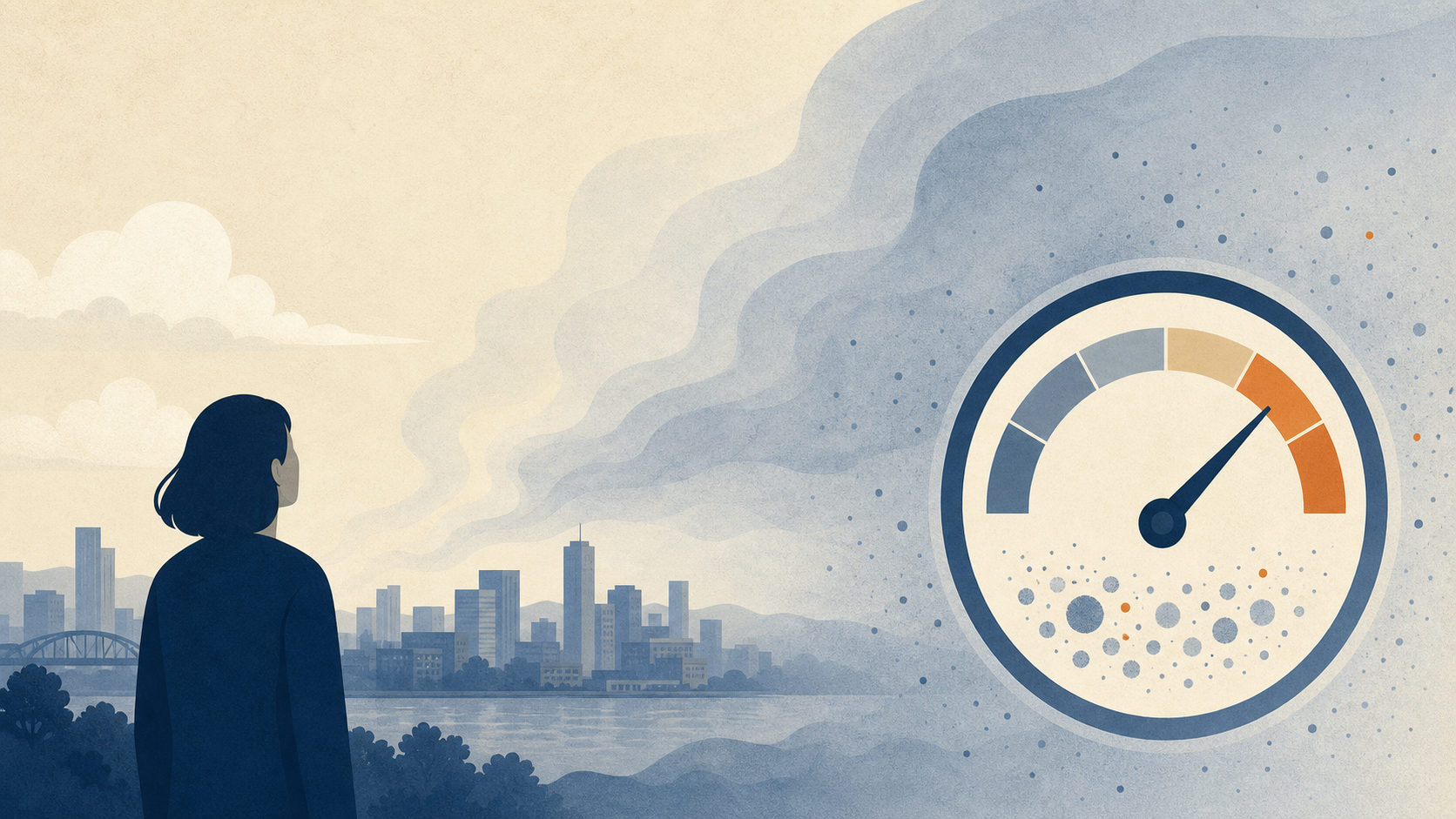
When Wildfire Smoke Feels Like 'Not a Big Deal'

Canadian wildfire smoke now affecting parts of the Midwest and Northeast shows how visibility, familiarity, and personal experience can distort our read on a risk that is not always easy to see.

Check: Am I judging this from how normal it feels, or from the information meant to measure it?

Read Post

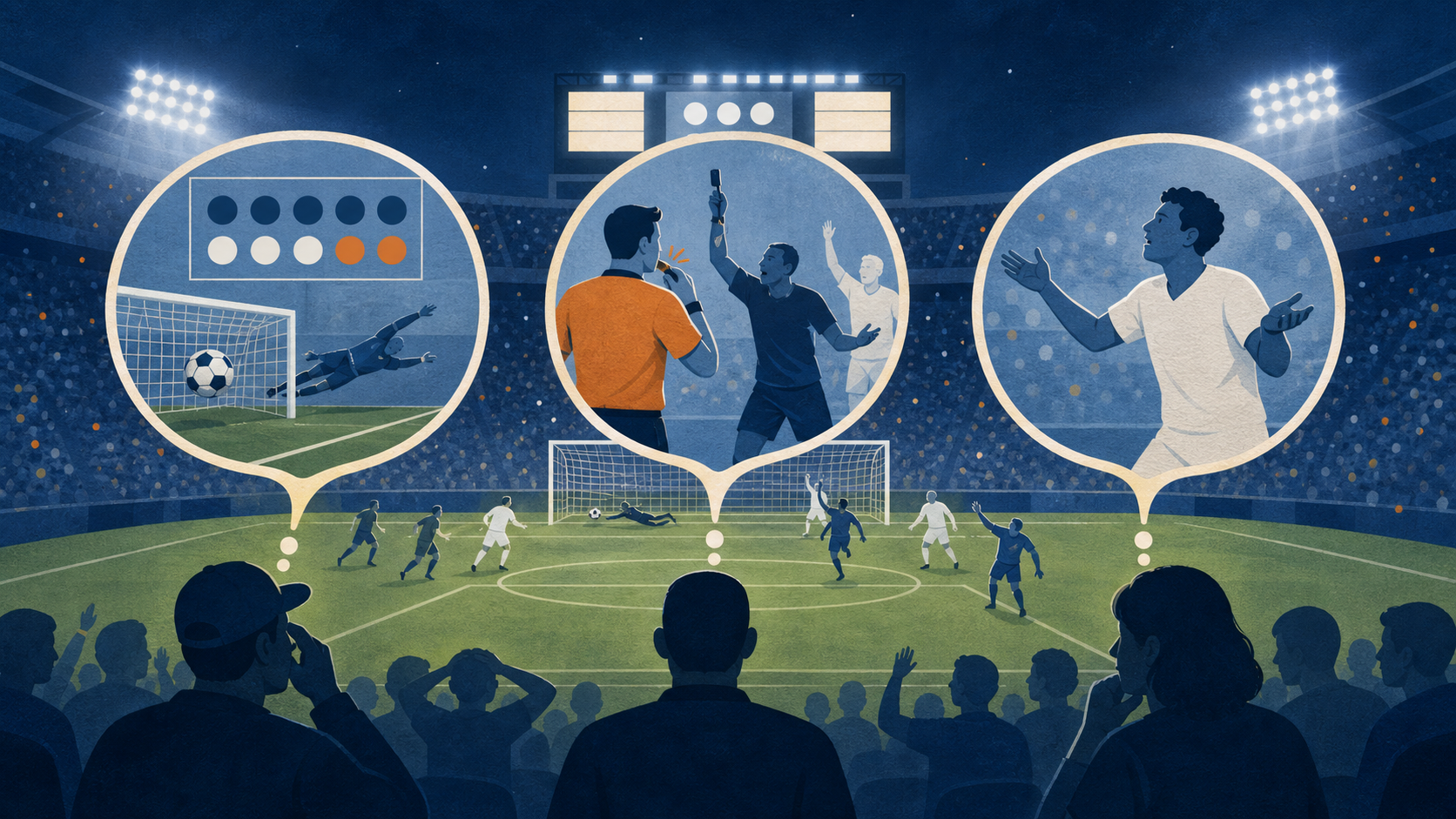
When a World Cup Loss Feels Rigged

Argentina's late World Cup win over England shows how a painful result can turn a refereeing debate, a coaching choice, and a social-media feed into a story of certainty.

Check: If the score were reversed, which parts of my explanation would I still believe?

Read Post

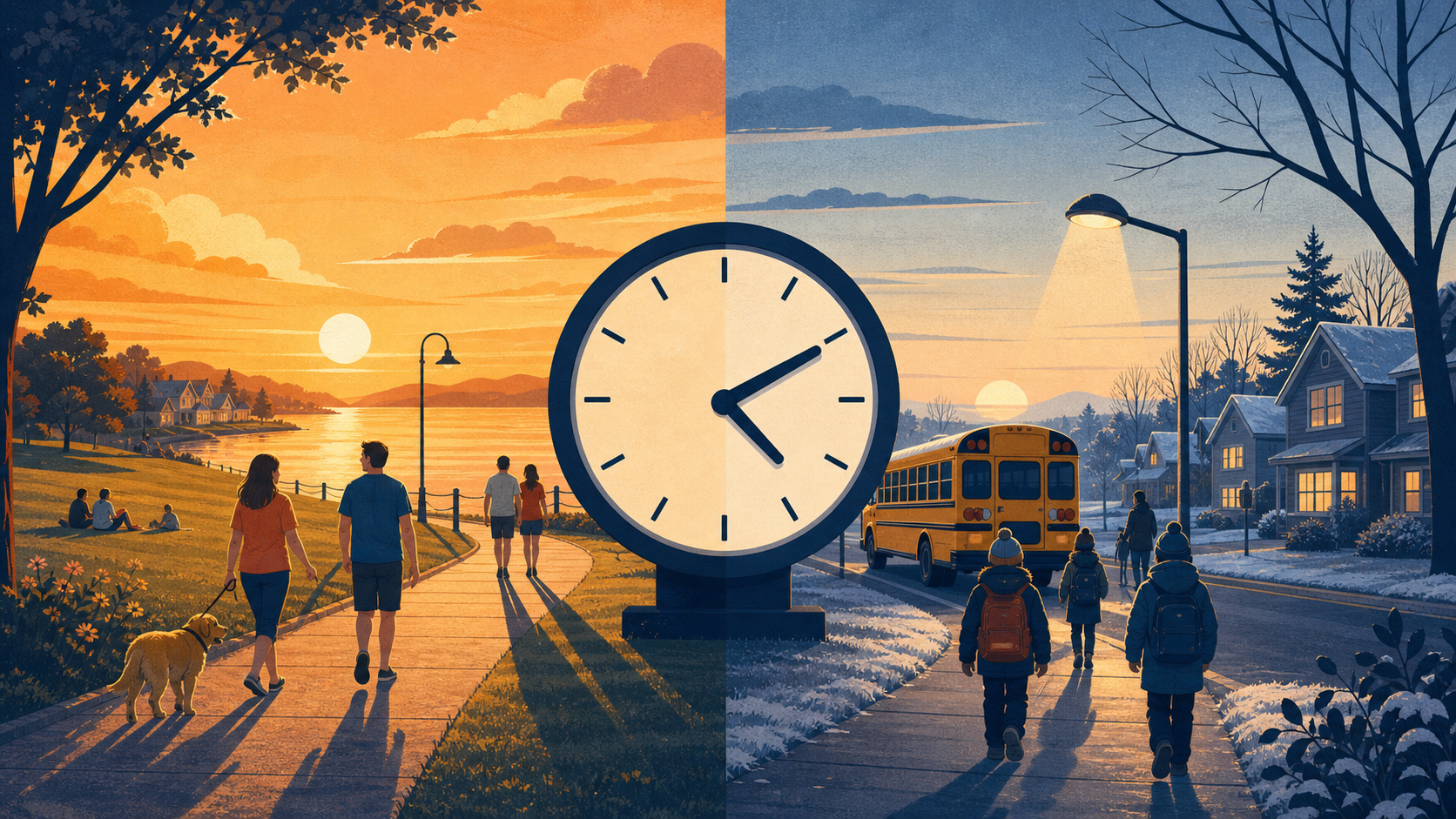
Why Permanent Daylight Saving Time Feels So Obvious

The fight over permanent daylight saving time shows how personal routines, vivid examples, and persuasive framing can make a complicated tradeoff feel obvious.

Check: Am I judging the policy from the whole tradeoff, or from the part of the day I notice most?

Read Post

What Is a Thinking Trap?

A thinking trap is a pattern that makes a judgment feel clearer, fairer, or more certain than it really is.

Check: What part of this feels obvious before I have checked it?

Read Post

How Cognitive Bias Shows Up in AI Prompts

AI prompting can quietly inherit the assumptions, framing, and desired answers already built into the question.

Check: Am I asking the model to test my thinking, or just dress it up?

Read Post

Why Big Numbers Stop Feeling Real

Psychic numbing makes large harms, huge statistics, and massive problems feel strangely abstract.

Check: What does this number mean in human terms?

Read Post

Bias vs. Fallacy: What Is the Difference?

Biases describe patterns in perception and judgment. Fallacies describe flaws in argument structure. Real life often blends both.

Check: Is the problem in how I am seeing the evidence, or in how the argument is built?

Read Post